By Briana Bass, Christian Romance Author, Devotional Writer & Certified Professional Coach
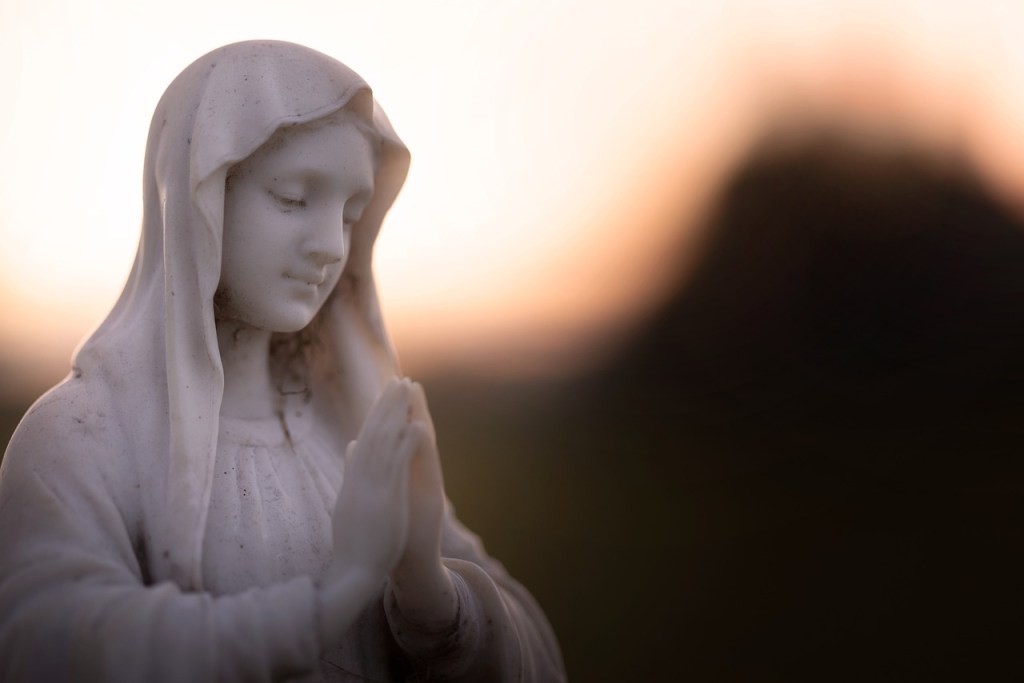
Women hold a lot of titles. We are daughters, sisters, wives, mothers, friends. The list goes on and on. While each title is important in its own way, the most important title we hold is Child of God.
Mary was a child of God long before she was the mother of Jesus. Like all mothers, she was a person in her own right, separate from the role of motherhood. Being a mother was part of her story but it’s not the whole story. I think we sometimes forget that she was a woman worthy of her own narrative outside of the birth of her Son.
So this holiday season, let’s dive into Mary’s story, and shine a light on the woman who bore our Savior.
Highly Favored Lady
We first meet Mary in The Book of Luke. She is a young woman in Galilee, engaged to a man named Joseph. From this alone, we understand that she is neither wealthy nor lawfully independent. Mary is likely a peasant in a long line of peasants. As a woman in ancient Israelite society, she has very few rights. Add the Roman occupation of the Israelites and we find a poor young girl who is simply trying to survive in a society that views her as the lowest of the low.
And yet, the angel Gabriel appears to this young woman with a life-changing message: “And the angel came in unto her, and said, Hail, thou that art highly favoured, the Lord is with thee: blessed art thou among women. And when she saw him, she was troubled at his saying, and cast in her mind what manner of salutation this should be. And the angel said unto her, Fear not, Mary: for thou hast found favour with God” (Luke 1:28-30 KJV).
While ultimately Gabriel’s message is that Mary will bear the Son of God, the messenger begins by focusing purely on Mary. It is she who has found favor with God. It is she who has pleased the Lord. Her place in society is not a barrier to God’s blessing. In fact, God uses her gender and socioeconomic position in tandem with her piety to play an integral role in the redemption of humanity.
Mary, Did You Know?
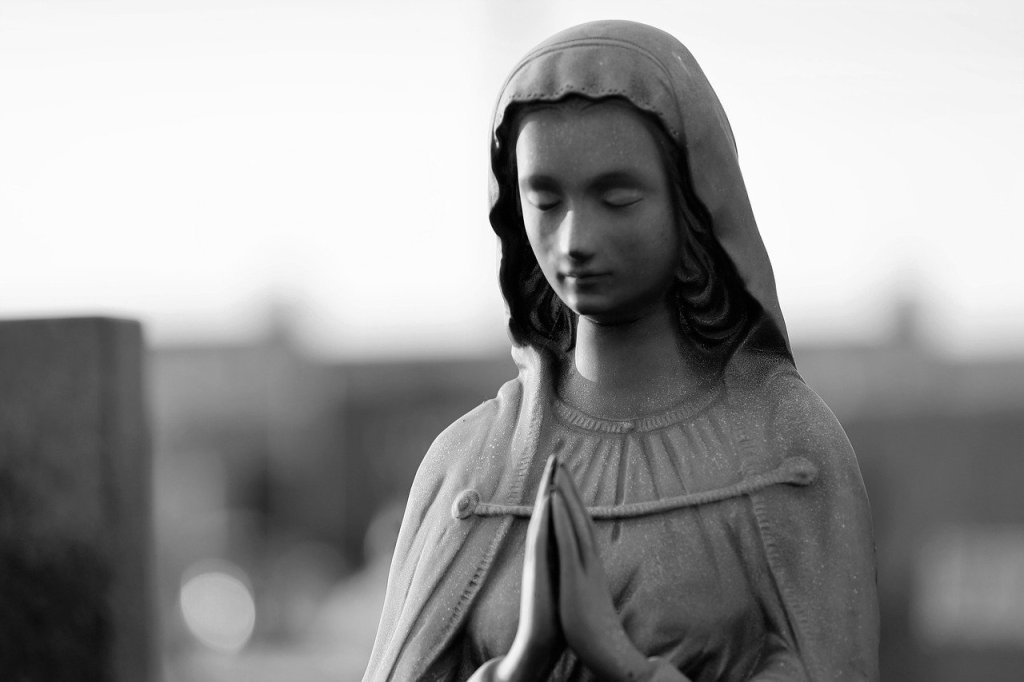
We do not know exactly what Mary said or did to find favor with God, but we do know that Mary was faithful to the Lord. She demonstrated the strength of her faith in the Magnificat, the song she sang rejoicing in her newfound circumstance and in God’s love and faithfulness to His people.
“And Mary said, My soul doth magnify the Lord, And my spirit hath rejoiced in God my Saviour. For he hath regarded the low estate of his handmaiden: for, behold, from henceforth all generations shall call me blessed” (Luke 1: 46-48 KJV).
Mary’s reaction to the news that she will be the mother of Christ is one we should all seek to emulate. She embraces God’s plans for her life. That is not to say she didn’t feel fear, or she didn’t have doubts. Mary was human. Her emotions would have run the gamut, even if it’s not documented in the Bible. What sets Mary apart is that she never gave into the negativity. Instead, she fully submitted to the Lord.
What is God calling you to do? How are you submitting to God’s plans for you? Do you rejoice like Mary, even if it scares you? Do you sing God’s praises, even if you can’t see the whole picture? Mary knew she would become pregnant; she had no idea how Joseph would react. Mary knew her child was the Messiah; she had no idea she would watch Him be crucified. None of us knows what the future holds, but we do know the One who holds our future.
Ave Maria
Mary, mother of Jesus, was more than a womb. She was more than a vessel to bring forth the Savior. She was a faithful Jewish woman who loved, trusted, and obeyed God. She sets an amazing example that should still resonate with us two thousand years later.
Like Mary, none of us are merely plot devices. We are the main characters in our own stories while simultaneously playing our roles as secondary characters in other peoples’ stories. The two are not mutually exclusive. And like Mary, we must submit to God, rejoicing in the face of fear and trusting that God’s plans are bigger than our own.
 Briana Bass