By Briana Bass, Christian Romance Author, Devotional Writer & Certified Professional Coach
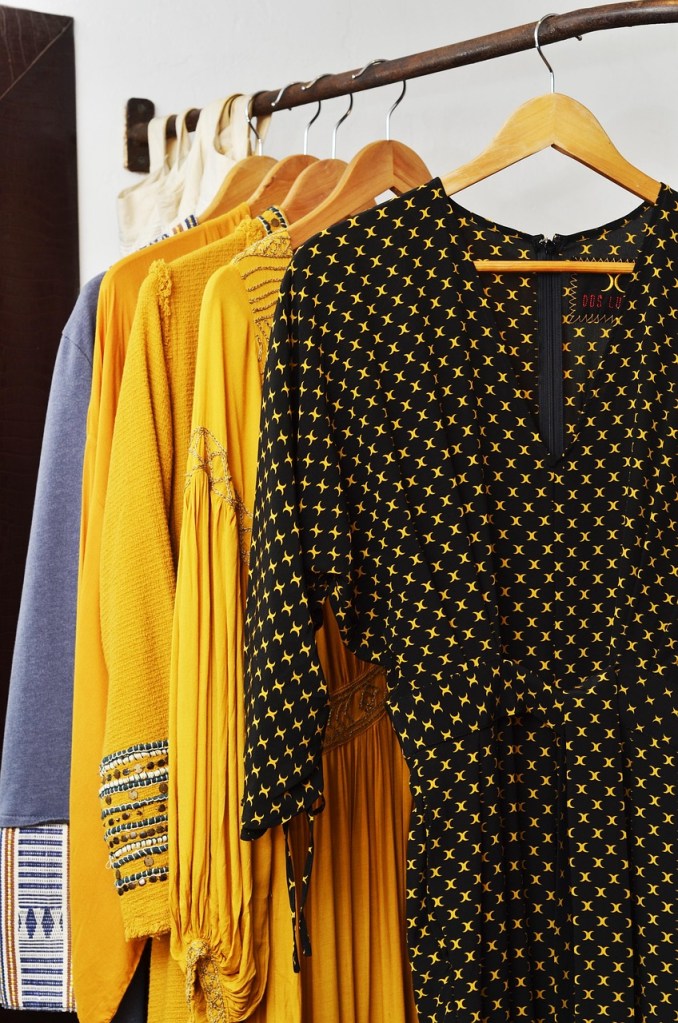
There’s an idiom, “clothes make the man,” that’s been around since ancient times. We can rewrite it to say, “clothes make the woman.” What a woman wears often leads to assumptions about her. Shorter skirts imply sexiness. Covered elbows and high necklines imply modesty. Words and phrases on t-shirts can indicate what sports team a woman supports or what college she attended.
But what if she didn’t attend that university and instead bought that t-shirt at a thrift store because it was all she could afford? Maybe she covers up because she’s cold all the time. While clothing can be a form of expression, we cannot assume that it tells the whole story.
We also cannot stereotype women. Consider the word “feminist.” What comes to mind? Women burning their bras or wearing menswear inspired suits? Sure, those women likely support gender equality but what about women with three kids, baggy sweats, and messy hair? What about women who wear pink dresses and high heels? Unless you directly ask those women if they are feminists, you may not be able to tell simply by what they wear.
Remember the expression “don’t judge a book by its cover.” So should you not judge a woman by what she wears. Femininity and feminism can go hand in hand.
Fashion Forward
Wearing skirts does not make you less of a feminist. Wearing trousers does not make you more of a feminist. Embracing culturally feminine constructs does not equal supporting the patriarchy. You are allowed to be feminine and still fight for sexual equality. Women can wear dresses and still break glass ceilings. High heels and manicures won’t stop us from kicking butt.
Clothes should simply be a form of personal expression, not an advertisement for whether one is a feminist. It’s our actions, not what we wear, that should identify us as Christians and as feminists. Generations ago, men’s and women’s fashions were nearly identical. And generations from now, fashion will look completely different from how it looks today. The same is true of the definition of feminine. How we define feminine today is radically different from how our ancestors defined it and we can assume it will be different than how our descendants will one day define it.
Different cultures dress differently, anyway, so we really can’t make assumptions based on clothing, especially if those assumptions are fueled by western ideals and concepts of femininity. A woman wearing a hijab can be both a practicing Muslim and a feminist. An Orthodox Jewish woman who covers her arms can be both a God-fearing person and a career-woman. We must stop judging women based on what they wear. Instead, let us look at how they live their lives. Do they love their neighbors? Do they worship the Lord with all their heart, mind, soul, and strength? Do they advocate for the voiceless? Do they help the poor and downtrodden? It’s the answers to these questions that matter, not whether a woman is showing skin or wearing a bra.
Strong Women of the Bible
Let’s talk about femininity for a moment. It’s a cultural construct. It does not have to mean weak or soft, as it has largely come to be defined in western society. Women contain multitudes. We are strong, capable, and bold, just like our Biblical foremothers. So let’s take a look at some Biblical heroines who don’t fit the traditional western feminine mold:
- Deborah was an Israelite judge and prophetess. She gave Barak a message from God, telling him to lead the Israelite army against the Canaanites. She prophesized victory over the Canaanites through the actions of a woman (Jael). Deborah also accompanied Barak to the battlefield. (Judges 4:4-14, Judges 5)
- Jael was the wife of a Kenite man. The Kenites were allies of the Canaanites, and the Canaanite commander, Sisera, took refuge with Jael, believing she would protect him from Israel’s army. Instead, Jael killed Sisera, fulfilling Deborah’s prophecy and freeing the Israelites from Canaanite oppression. (Judges 4:17-24)
- Rahab lived in Jericho, which at the time was a Canaanite city. Israelite spies came to Jericho to scout the city, but their presence was discovered. Rahab hid the spies and even lied to her king about their whereabouts, sending the king’s men on a wild goose chase. She helped the spies escape Jericho with a promise that when Jericho fell to the Israelites, she and her family would be unharmed. (Joshua 2:1-21)
- Huldah was a prophetess during the reign of King Josiah. Josiah discovered the lost Book of the Law given from God to the Israelites. His men asked Huldah to authenticate the scroll, which she did. She also spoke to Josiah on behalf of God, prophesying disaster for Israel but sparing Josiah due to his humility and love for God. (2 Kings 22:14-20)
These four women were warriors, bucking traditional gender roles. God used them to speak His commands. People listened to them and respected their guidance. There is nothing soft about standing tall for the Lord. There is nothing weak about putting your faith in God.
Slay, Queen
What you decide to wear, whether it’s dresses or trousers, is a personal decision that does not have to reflect your opinions on the patriarchy. It’s okay if an outfit makes you feel cute. It’s okay if you enjoy wearing makeup. You are allowed to look fabulous. Once you realize that you can be both feminine and a feminist, you will be unstoppable.
 Briana Bass