By Briana Bass, Christian Romance Author, Devotional Writer & Certified Professional Coach
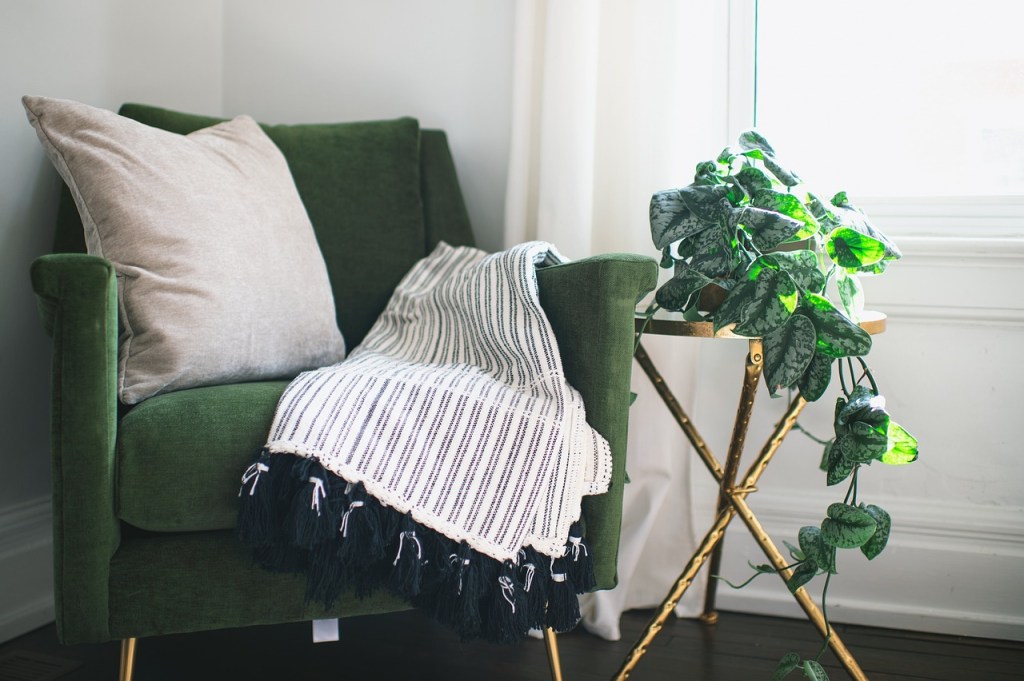
Creating sacred space at home isn’t about aesthetics. It’s about cultivating a place where your soul feels safe enough to be honest, a place where you can bring your questions, your joys, and everything in between. A place where you can trust that God is already there, welcoming you as you are.
And the beautiful thing is that you don’t need a perfect home or a big budget. You can begin right where you are. Sacred space is more about intention than appearance. It’s about choosing a space and time to meet with God.
Everyone deserves a space, no matter how small or how simple, where they can rest, reflect, and connect with God. That’s the heartbeat behind my retreat Rose in Bloom. Not everyone can travel to a weekend retreat, so I designed Rose in Bloom to be accessible and flexible. That’s what your sacred space should be too: accessible and flexible.
Start with What You Already Have
You don’t need to start with a shopping trip. Start by giving yourself permission to use what you have. Look around your home and notice what feels grounding to you. Some examples are:
- A chair by the window where the light hits just right
- A favorite mug for tea or coffee
- A well-loved Bible or journal
- A plant or fresh flowers that bring life into the room
- A candle you light when you want to slow down
Your sacred space doesn’t have to be pretty. It doesn’t have to impress anyone. It just needs to feel like a place where you can exhale. Sacredness is measured by whether your soul feels safe enough to soften, not by matching colors or owning pink Bibles. It’s about choosing what feels sacred to you, not what someone else says it should be.
We live in a culture that loves to package spirituality. I’m not saying there’s nothing wrong with pretty Bibles and journals. I think the covers for my devotionals are quite pretty, actually. There’s nothing wrong with beauty, but it sometimes we can take it too far. We become convinced that holiness has a specific look we must acquire, that intimacy God with requires a certain aesthetic. Nothing could be further from the truth. Sacred spaces are meeting places, not photoshoots. It’s where you connect with the Creator and I promise He won’t judge what it looks like.
When you release the pressure to make it beautiful for others, you free yourself to make it meaningful for you. And that’s where the real transformation begins. Remember, sacred space isn’t about performance-it’s about presence. So let go of the expectation that you have to curate something impressive and choose what actually matters to you. Take stock of what brings you peace, what helps you slow down, and what reminds you that you are God’s beloved child.

Engage the Senses
God meets us not only in our minds, but in our senses. When you engage the senses, you’re giving your soul more ways to notice God’s nearness. This doesn’t require anything fancy. In fact, the simplest sensory cues are often the most powerful:
- Soft lighting
- A cozy blanket
- The hum of a fan
- Essential oils
- A piece of chocolate
Engaging the senses is a spiritual practice. Sacred space becomes even more grounding when it welcomes your whole self, not just your thoughts, but your body and your senses too. Our bodies carry stress, memory, longing, and hope, and they respond to the world in ways our minds sometimes can’t articulate. When you invite your senses into your sacred space, you’re giving your whole self permission to be present with God.
This is why sensory cues matter. They create a gentle bridge between the outer world and your inner world. Engaging the senses isn’t about creating a perfect atmosphere. It’s about creating an environment that supports your soul’s ability to pay attention. It’s a way of honoring the truth that God meets you not only in your thoughts and prayers, but in the very real, very human experience of being in a body.
Let Your Space Ground You, Not Guilt You
The space you create doesn’t have to be serious. It only has to be real. Your sacred space doesn’t need to look holy to be holy. God isn’t grading your aesthetic. He’s meeting you in your honesty.
Creating sacred space at home is a way of saying yes to renewal without needing to rearrange your life or your finances. It’s a way of giving yourself permission to show up exactly as you are, in the middle of the life you actually live. See, sacred space is not a reward for having everything together. It’s a refuge for when you don’t. And when you let go of the guilt, you open yourself to a gentler, more accessible kind of spirituality, one that fits your real life and honors your humanity.
One that welcomes you home.
 Briana Bass